
The Benefits of Outdoor Activities for Elderly Individuals
Outdoor activities can be a powerful, life-enhancing tool for older adults, supporting physical health, emotional balance, and a deeper sense of purpose. While aging may bring changes in mobility, stamina, and confidence, it does not remove the human need for fresh air, sunlight, gentle movement, and meaningful connection. In fact, safe time outdoors can help seniors stay engaged with life in ways that indoor routines often cannot.
Whether it’s a calm morning walk, a supervised garden session, or light group games in a courtyard, outdoor experiences offer a mix of exercise and enjoyment. With the right planning and support, elderly individuals can benefit from nature at nearly any fitness level. Below are key reasons why outdoor activities deserve a consistent place in senior wellness routines.
Stronger Mobility And Balance
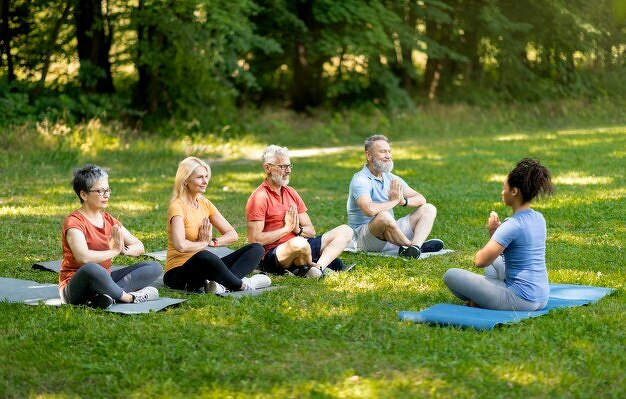
Gentle outdoor movement, such as walking on even paths, doing chair stretches under a shaded area, or practicing slow steps in a garden, helps maintain joint flexibility and muscle strength. These improvements often translate into better balance, steadier gait, and more confidence during everyday tasks. Even small amounts of regular movement can reduce stiffness, support posture, and help seniors remain more independent.
To make this safe, choose flat surfaces, provide supportive footwear, and encourage warm-ups. If needed, walking aids or a companion can turn a hesitant outing into a comfortable habit.
Better Heart And Lung Health
Consistent light activity outdoors can improve circulation, support heart health, and strengthen breathing capacity. Compared to staying sedentary indoors, even a 10 to 20-minute daily walk can help regulate blood pressure and improve endurance over time. A calm outdoor environment also encourages deeper, slower breathing, especially when seniors are surrounded by trees, plants, or open sky, which is why caregivers at Kamdhenu senior citizen old age home prioritize simple outdoor routines as part of daily care. These routines are easy to adapt, allowing each resident to move at a pace that feels safe while still gaining meaningful cardiovascular benefits.
Mood Lift Through Nature
Nature has a calming effect that can reduce feelings of stress, irritability, and low mood. Sunlight, fresh air, and natural scenery may help ease anxiety and promote emotional steadiness. For seniors dealing with loneliness or routine fatigue, stepping outdoors can create a noticeable mental reset, even if the activity is as simple as sitting near flowering plants or listening to birds.
Outdoor time also creates moments of joy. Noticing seasonal changes, feeling a breeze, or watching children play nearby can spark positive emotions that brighten the day.
Cognitive Stimulation And Focus
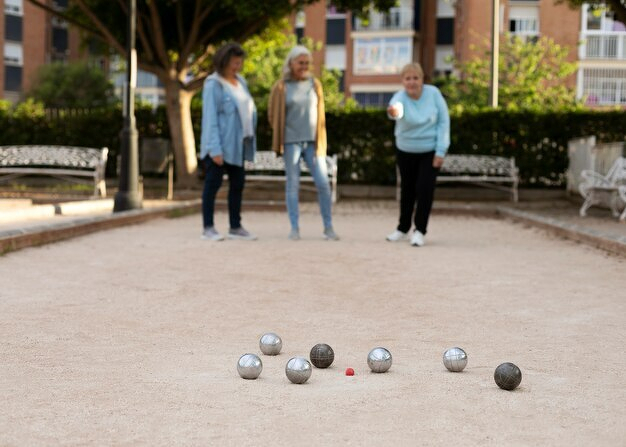
Outdoor activities naturally engage the brain. Navigating a path, observing plants, or participating in group games involves attention, memory, and decision-making. These small mental workouts can help maintain cognitive sharpness and keep seniors more alert, supporting their independence and support in harmony with daily routines. Simple ideas include guided nature observation, such as spotting five different leaves, light ball toss games, or walking routes with familiar landmarks. These activities aren’t just entertaining; they encourage the brain to stay active in a gentle, low-pressure way.
More Social Connection Outside
Many seniors become more willing to socialize when activities take place outdoors. Open spaces feel less confined, conversations feel more relaxed, and group movement reduces awkwardness. Outdoor gatherings, like tea in the garden, morning stretches, or supervised hobby circles, can strengthen friendships and reduce isolation.
For older adults who are shy or experiencing emotional withdrawal, outdoor group routines can be a softer gateway into community participation than formal indoor events.
Better Sleep And Energy
Daylight exposure supports the body’s internal clock, helping seniors feel more awake during the day and sleepier at night. When outdoor time is paired with gentle activity, sleep quality can improve even further. Seniors who get regular sunlight and movement may notice fewer daytime naps, more stable energy, and improved nighttime rest.
A practical approach is scheduling outdoor activity earlier in the day. Morning light is often ideal, and temperatures are usually more comfortable.
Safer Activity With Support
Outdoor routines should always be designed around safety, especially for seniors with limited mobility, chronic conditions, or a history of falls. The best programs include hydration reminders, shaded rest points, supervision, and clear boundaries for walking areas.
Structured outings at Kamdhenu senior citizen old age home can be especially effective when they include staff-guided pacing, accessible paths, and simple activity options, ensuring seniors can participate without feeling rushed, pressured, or unsafe.
Vitamin D And Bone Support
Sunlight helps the body produce vitamin D, which is important for bone health and muscle function. While supplementation may be needed for many seniors, based on medical advice, safe sunlight exposure can still play a supportive role. Regular outdoor time may contribute to better bone strength, reduced risk of deficiency, and improved overall vitality.
The key is moderation. Avoid harsh midday sun, use hats or light protective clothing, and keep exposure brief but consistent.
Purpose Through Meaningful Tasks
Outdoor activities don’t always have to be exercise. Purpose-driven tasks, such as watering plants, tending a small garden bed, arranging flowers, or caring for a courtyard space, can give seniors a sense of contribution. This sense of usefulness is deeply tied to self-esteem and emotional well-being, especially for those who feel they have slowed down in other areas of life.
Meaningful outdoor routines also encourage consistency. A senior who may skip a walk might still happily go out to check on plants or help set up chairs for an outdoor gathering.
Conclusion
Outdoor activities offer elderly individuals more than physical movement. They provide emotional relief, social connection, mental stimulation, and a renewed relationship with daily life. With thoughtful planning and the right level of support, seniors of many abilities can enjoy fresh air, sunlight, and gentle engagement with nature.
The most important step is consistency. Small, safe outdoor moments repeated over time can build strength, confidence, and happiness. Whether it’s walking, stretching, gardening, or simply sitting together outside, nature can become a reliable partner in healthy aging.